Democracy is built on differences. People will disagree about policies, leadership, priorities, and the direction they believe their country should take. The strength of a democratic system, however, is not measured by how many disagreements it avoids, but by how effectively those disagreements can be managed.
This is where political reconciliation in Nigeria becomes important.
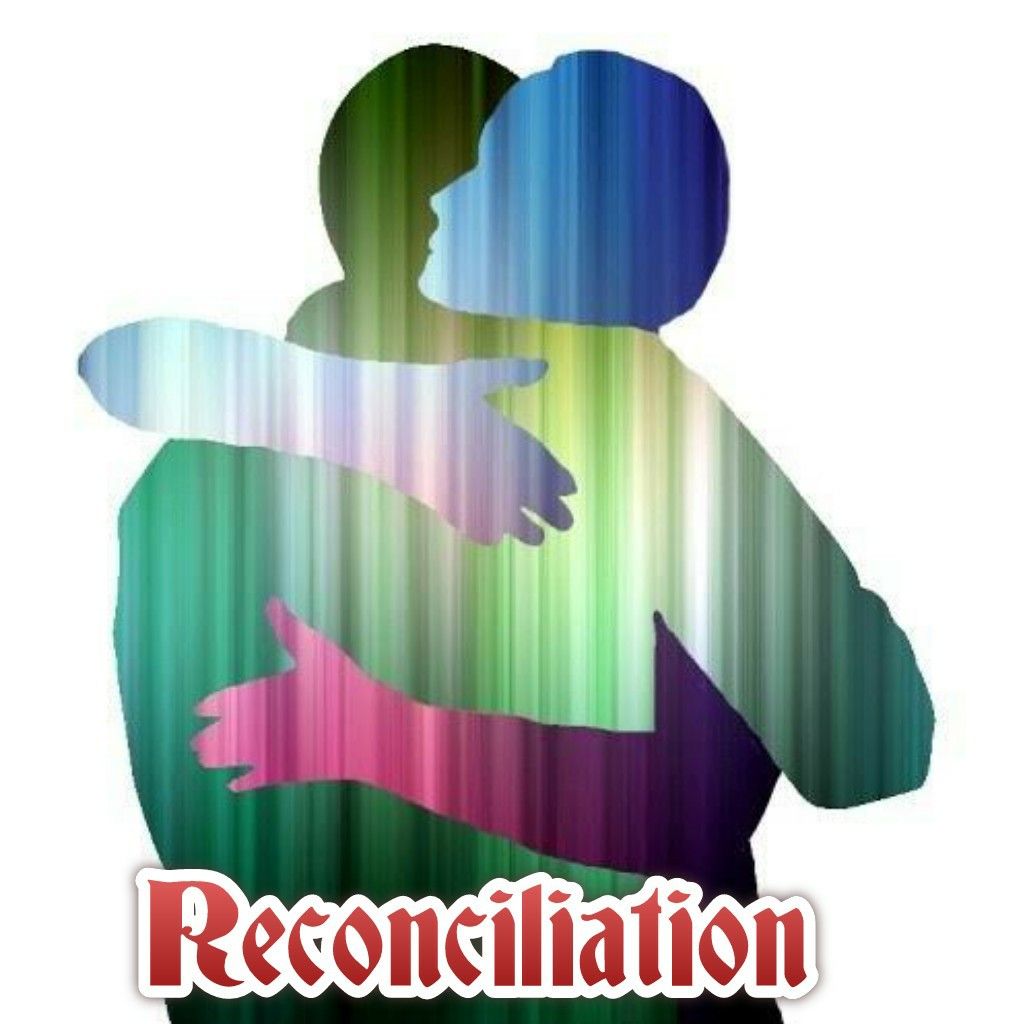
Reconciliation creates space for dialogue, understanding, and cooperation. It allows people with different political interests to find common ground without demanding that they abandon their principles. At a time when Nigeria continues to prepare for the 2027 general elections, the importance of peaceful political engagement cannot be overstated.
Reconciliation Does Not Mean Everyone Must Agree
One misconception about political reconciliation is that it requires people to abandon their positions.
It does not.
Two political actors can disagree strongly on an issue and still respect one another. Candidates can compete for the same position and later work together on issues of common interest.
For example, two aspirants who contest the same party primary may have different ideas about leadership. Once the process is concluded, reconciliation can provide an opportunity for them to focus on the broader goals they share.
That is an important democratic lesson: competition and cooperation can exist together.
Reconciliation Can Build Political Trust
Trust is essential to democracy.
Citizens need confidence that political processes allow different voices to participate. Political actors also need confidence that disagreements can be managed through established channels.
Where dialogue is encouraged, people have an opportunity to express grievances, seek clarification, and understand perspectives different from their own.
This can reduce unnecessary tension and create greater confidence in political processes.
INEC has specifically warned that prolonged leadership disputes within political parties can undermine public trust and contribute to unnecessary litigation, while urging political actors to prioritize constructive dialogue.
It Can Encourage Peaceful Political Competition
Political competition is not a problem. In fact, it is essential to democracy.
The problem arises when political competition becomes hostility.
Reconciliation reinforces the idea that an opponent in one contest does not have to become an enemy forever. Political actors can compete vigorously while respecting the rules and recognizing their shared responsibility to maintain peaceful democratic participation.
This becomes particularly important as elections approach.
Nigeria's electoral process involves political parties, candidates, citizens, civil society organizations, security agencies, the media, and electoral institutions.
Reconciliation Has a Role Beyond Politics
The value of reconciliation extends beyond political parties.
It can encourage a broader culture of dialogue in communities, institutions, and society. When people see disagreements being handled through discussion and mutual respect, they are reminded that difference does not have to lead to division.
This is particularly relevant in a diverse country such as Nigeria, where citizens come from different ethnic, religious, regional, and professional backgrounds.
Democracy works best when diversity is treated as something to manage constructively rather than something to fear.
Building a More Resilient Democracy
Reconciliation alone cannot solve every challenge facing Nigerian democracy. Strong institutions, credible elections, respect for the law, citizen participation, accountability, and good governance remain essential.
But reconciliation can strengthen the relationships and political culture that allow these institutions to function effectively.
Nigeria's democratic future will depend not only on who wins elections, but also on how political actors and citizens respond when they disagree.
Reconciliation is therefore not simply about settling differences. It is about creating the confidence, respect, and cooperation necessary for democracy to endure.
In the end, a stronger democracy is not one without disagreement. It is one where disagreement can exist without destroying the relationships and institutions that hold society together.
Leave a reply
Recent Post




Comments (0)