
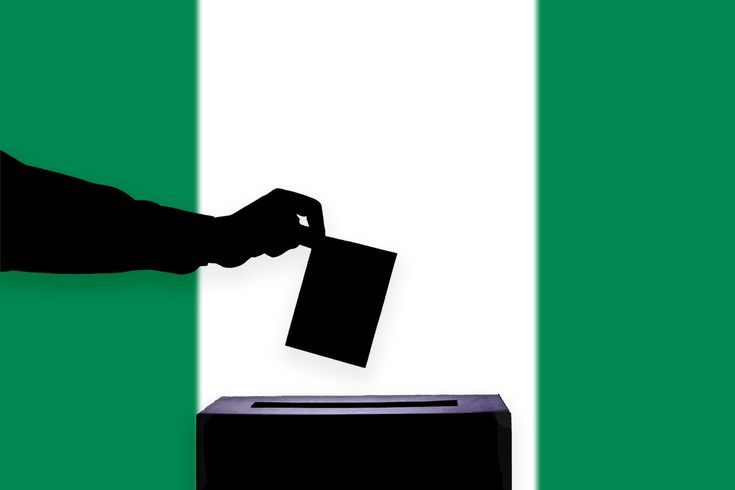
Every election season brings intense political competition. Parties organise, candidates emerge, alliances are formed, and citizens begin evaluating the choices before them.That is how democracy is supposed to work.
The legitimacy of any democratic system rests on a simple principle: political contests should be decided by voters at the ballot box. The closer a nation remains to this principle, the stronger its democracy becomes.
As Nigeria approaches the 2027 general elections, this principle deserves renewed attention.
Elections Are Meant to Be Contests of Ideas
The purpose of an election is not merely to produce winners and losers. It is to allow citizens to evaluate competing visions for governance and determine which direction they want their country to take. Political parties exist to provide those alternatives.
Whether voters ultimately embrace or reject a particular party is a decision that belongs exclusively to them. The legitimacy of electoral outcomes derives from public participation, not administrative manoeuvres or procedural victories. This is why democratic societies place such a high value on open political competition. When political actors are able to compete freely under clear and consistent rules, public confidence in electoral outcomes increases.
Citizens may disagree with the result, but they are more likely to respect it when they believe the process was fair.
The Importance of a Level Playing Field
Democracy thrives when all participants operate under the same rules.
The perception that some political actors enjoy institutional advantages over others can weaken trust in the political system and fuel public cynicism. Conversely, a transparent and competitive environment strengthens confidence in both electoral institutions and democratic outcomes. This is particularly important in emerging democracies where public trust remains a valuable and fragile asset.
The goal should never be to reduce competition. The goal should be to ensure that competition takes place fairly, openly, and in accordance with constitutional principles.
A strong democracy is not one in which opposition voices disappear. It is one in which every political actor has the opportunity to present its case to the electorate and accept the verdict of the people.
The Ballot Box Must Remain Supreme
History consistently shows that the most stable political systems are those where electoral legitimacy comes directly from the people.
When voters believe their choices matter, democratic institutions become stronger. Political participation increases. Public confidence grows. But when citizens begin to feel that political outcomes are being shaped away from the ballot box, trust can deteriorate rapidly. That is why safeguarding electoral competition is not merely a political issue. It is a democratic imperative.
Looking Ahead to 2027
The conversation Nigeria should be having ahead of the next election is not how to reduce political participation. It should be how to improve governance, deepen democratic accountability, strengthen institutions, and expand opportunities for citizens.
The challenges facing the country are significant and require serious debate, innovative solutions, and robust public engagement. Ultimately, the strongest mandate is the one earned from voters.
As preparations for 2027 gather momentum, all political actors, institutions, and stakeholders must remain committed to a principle that is both simple and indispensable: elections should be won through persuasion, performance, and popular support—not through processes that risk limiting the choices available to the electorate.
In every democracy, the ballot box must remain the final judge.
Leave a reply
Recent Post






Comments (0)