Democracy is about more than elections. It is also about ensuring that citizens can express their concerns, influence public decisions and hold political leaders accountable. In Nigeria, where challenges such as unemployment, insecurity and rising living costs affect millions, citizen engagement is essential to building a more responsive and effective system of governance.
A stronger democracy requires continuous communication between leaders and the people, not just during election campaigns. Citizens must have opportunities to ask questions, contribute ideas and scrutinise policies that affect their lives.
What Is Citizen Engagement?
Citizen engagement refers to the participation of individuals and communities in public affairs and decision-making processes. It includes town hall meetings, public consultations, petitions, community forums, civic education and digital platforms that connect citizens with political leaders.
These channels allow decision-makers to understand public concerns and develop policies that reflect the needs of different communities.
For Nigeria, meaningful citizen participation can help bridge the gap between political leadership and the electorate while strengthening democratic institutions.
Promoting Accountability and Transparency
One of the most important benefits of citizen engagement is improved accountability. In a functioning democracy, political leaders must explain their decisions, communicate their achievements and answer questions about their promises.
When citizens can question elected representatives and access reliable information, it becomes easier to scrutinise government performance and demand responsible leadership.
However, accountability requires more than listening. Leaders must provide clear responses, explain their actions and demonstrate how public feedback influences decisions.
Regular engagement can help build public confidence and ensure that democratic leadership remains answerable to the people.
Improving Public Policies and Governance
Effective policies should address the real challenges citizens experience daily. While experts and official statistics provide valuable information, citizens offer practical insights into the effects of policies on households, businesses and communities.
For example, traders can highlight the impact of transportation costs on market prices, while young people can identify barriers to employment and skills development.
Listening to these experiences helps policymakers identify gaps, assess priorities and develop more practical solutions. Although not every suggestion can be adopted, public input should form part of an inclusive and evidence-based policymaking process.
Building Trust and Inclusive Democracy
Public trust grows when citizens believe their concerns are taken seriously. When leaders communicate openly, welcome constructive criticism and explain their decisions, the relationship between government and the public becomes stronger.
Citizen engagement must also include women, young people, persons with disabilities, rural residents and other groups whose voices may be underrepresented.
Digital platforms can expand access, but radio, community meetings and local-language communication remain important for reaching people without reliable internet access.
An inclusive democracy recognises that every community has valuable experiences and perspectives to contribute to national development.
The Role of Technology in Citizen Engagement
Technology is creating new opportunities for Nigerians to engage with political leaders. Online portals, digital consultations and social media can make it easier to ask questions, discuss policy proposals and share recommendations.
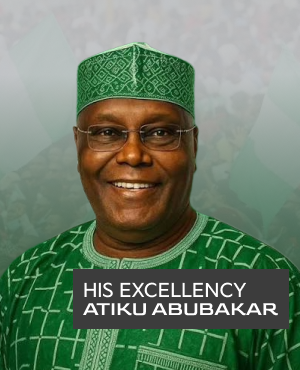
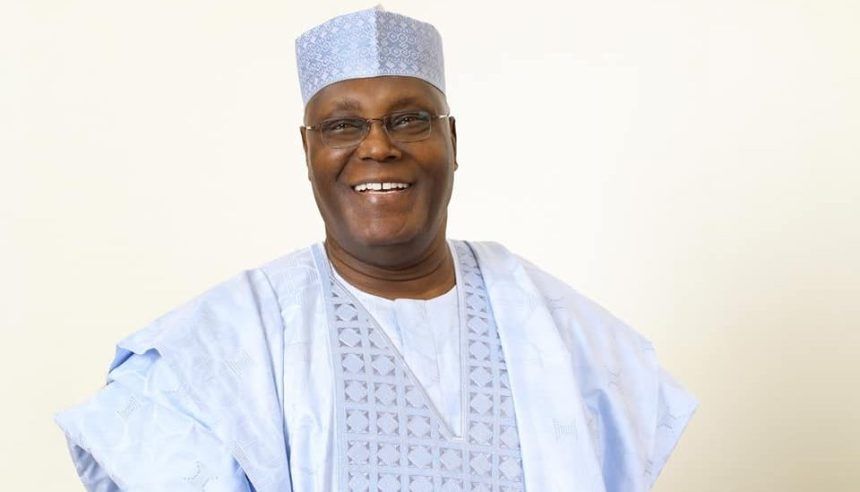
Initiatives such as Atiku Abubakar’s Ask AA portal illustrate how digital tools can facilitate direct communication between political leaders and citizens.
Nevertheless, technology must complement traditional engagement channels. Successful platforms require accessible services, responsible data protection and meaningful responses to citizens' questions.
The objective is not simply to collect opinions but to encourage informed dialogue and constructive participation.
Democracy Beyond Elections
Voting remains fundamental to democracy, but civic responsibility continues between elections. Citizens can participate by attending public hearings, monitoring public projects, following legislative activities and evaluating political manifestos.
Political parties, civil society organisations and the media also have important roles in promoting civic education and encouraging informed public debate.
Citizens, in turn, should seek credible information, ask constructive questions and participate peacefully in democratic processes.
Citizen engagement is essential to strengthening democracy in Nigeria. It promotes accountability, improves policymaking, builds public trust and gives communities opportunities to contribute to national development.
For engagement to deliver lasting results, leaders must listen and respond, institutions must remain transparent, and citizens must stay informed and involved.
A stronger Nigerian democracy begins when citizens are heard, their concerns are taken seriously, and public participation translates into meaningful action.
Leave a reply
Recent Post





Comments (0)