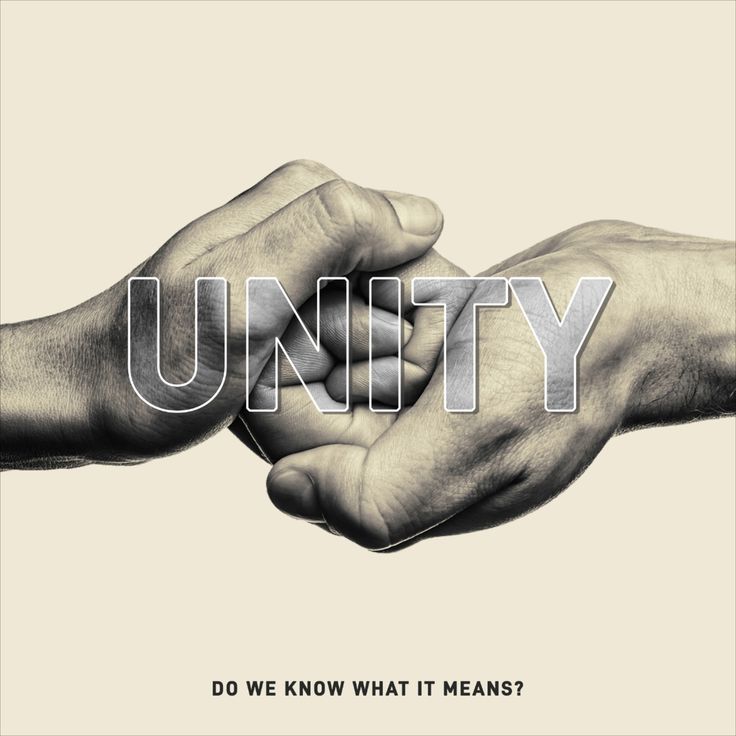
Political parties bring together people with different backgrounds, experiences, ideas, ambitions, and perspectives. In any democratic organization, differences are natural. What matters is how those differences are managed and how effectively people can work together toward a shared objective.
This is where political reconciliation becomes important.
Reconciliation is not necessarily a response to a crisis. It is an important part of maintaining healthy relationships, strengthening trust, and ensuring that political competition does not prevent people from working together after an election or internal contest.
Reconciliation Creates Room for Dialogue
Political competition can produce different opinions about leadership, policies, strategies, and priorities. Without constructive communication, these differences can create unnecessary distance between people.
Reconciliation creates an opportunity for meaningful dialogue.
It allows individuals to express their concerns, listen to different perspectives, and find common ground. Rather than allowing disagreements to define relationships, dialogue helps people focus on what they share.
For political parties, this can create a healthier environment in which members feel heard and valued.
Competition Does Not Have to End in Division
Competition is an important part of democracy. Different candidates and groups should be able to present their ideas and compete for support.
However, once a contest is concluded, there is still a larger objective to pursue.
A person who does not emerge from an internal election may still have valuable experience, relationships, ideas, and grassroots connections that can contribute to the party's broader objectives. Reconciliation helps create a pathway for continued participation.
This is why strong political organizations understand that winning a contest should not mean losing relationships.
Reconciliation Strengthens Trust
Trust is one of the most important foundations of any organization.
Members are more likely to remain committed when they believe that their concerns can be addressed respectfully and that their contributions matter.
A culture of openness and consultation can strengthen that trust.
Reconciliation also demonstrates that political differences can be managed without permanently damaging relationships. This can encourage greater participation and confidence among members.
Inclusion Makes Political Parties Stronger
A successful political party cannot be built around a single voice.
It requires people with different experiences, professional backgrounds, political perspectives, and connections to different communities. Meaningful inclusion ensures that people do not feel that their usefulness ends when they disagree or when another candidate is chosen.
This is particularly important after internal elections.
Creating opportunities for different groups to remain involved can help a party preserve valuable knowledge, experience, and organizational capacity.
Reconciliation Can Strengthen Political Strategy
Beyond relationships, reconciliation can also have a practical political value.
A united organization can communicate more effectively, coordinate activities more efficiently, and present a clearer message to the public.
Consider a political party preparing for a general election. Its members may have competed against one another during the primaries, but they may eventually need to work together to support candidates, communicate policies, mobilize voters, and engage communities.
Reconciliation helps make that transition smoother.
Strong Political Parties Know How to Handle Differences
No organization will agree on everything all the time.
The strength of a political party is therefore not measured by the absence of disagreement. It is measured by its ability to manage disagreement constructively.
This requires leadership that listens, members who are willing to engage in good faith, and structures that encourage dialogue rather than hostility.
Reconciliation should consequently be viewed not as a sign of weakness, but as an indication that an organization values unity, participation, and long-term strength.
Reconciliation Is Also Important for Democracy
Political parties play an important role in democratic development. They provide platforms through which citizens organize, participate, debate ideas, and seek political representation.
When political organizations demonstrate that disagreements can be resolved through dialogue and mutual respect, they reinforce an important democratic principle: differences do not have to result in division.
That lesson extends beyond political parties. It is relevant to communities, institutions, workplaces, and society as a whole.
Building Unity for the Future
The strongest political organizations are those capable of looking beyond individual contests and focusing on their broader purpose.
Reconciliation helps make that possible.
It creates room for people to move from competition to collaboration, from disagreement to dialogue, and from individual interests toward shared objectives.
For any political party seeking to build a durable organization, political reconciliation, internal dialogue, inclusion, and trust are not temporary strategies. They are foundations for long-term strength.
A strong political party is not one where everyone always agrees. It is one where people can disagree, listen, reconcile, and still find a reason to move forward together.
Leave a reply
Recent Post




Comments (0)