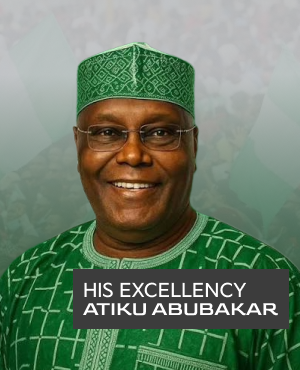
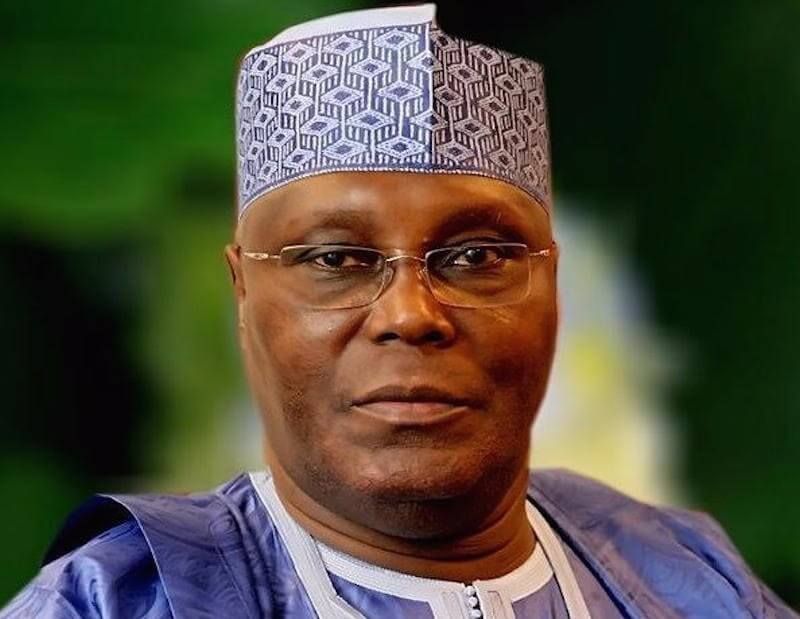
The African Democratic Congress (ADC) presidential candidate, Atiku Abubakar, has outlined his approach to reducing the cost of fuel and easing the wider financial pressures facing Nigerian households and businesses.
Atiku said his proposed approach would focus on supporting domestic fuel production rather than using public funds to subsidise imported petrol.
“I am not restoring subsidy so that Nigeria can keep paying for imported petrol,” Atiku said. “I am restoring subsidy so that Nigerians can produce more at home, pay less for fuel, and keep more money in their pockets.”
He described the approach as the difference between an import subsidy and a production subsidy.
According to him, an import subsidy makes products brought into the country cheaper by using public funds to reduce their cost, while a production subsidy is designed to support local producers by lowering the cost of producing goods domestically.
He illustrated the distinction using the example of footwear production in Aba. Rather than spending public resources to make imported shoes cheaper, he said government could support local shoemakers to reduce their production costs, increase output, create employment and make their products more affordable.
“I choose the Aba shoemaker,” he said.
Focus on Domestic Refining
Applying the same principle to the petroleum sector, Atiku said his administration would support crude oil refined within Nigeria so that domestic refineries could produce fuel at a lower cost.
“We will support crude refined in Nigeria so our refineries can produce at a lower cost and you can pay less,” he said.
The proposal, according to Atiku, is part of a broader objective that goes beyond the price of petrol itself. He said reducing fuel costs should ultimately help bring down other expenses that affect Nigerians on a daily basis.
Among the areas he identified were transportation, the cost of moving food from farms to markets, trading expenses and energy costs for small businesses.
He specifically referenced professionals and entrepreneurs such as barbers, tailors, welders and other small business owners who rely on energy and fuel to operate.
Connecting Fuel Costs to Household Expenses
Atiku said the ultimate measure of affordability should be its effect on the everyday lives of Nigerians.
“I want a mother to return from the market with more food in her bag,” he said.
He also said he wanted fathers to be able to pay their transport costs while still having money left over, and small business owners to finish their working day with a profit rather than merely enough money to purchase fuel for the following day.
For Atiku, the objective is therefore not simply to reduce the price of petrol in isolation, but to reduce the broader economic pressures associated with high energy and transportation costs.
He summarised his proposed approach by linking lower fuel costs to lower transport expenses, reduced pressure on food prices and greater disposable income for families.
A Broader Affordability Agenda
Atiku described the proposed policy as a personal commitment to improving the economic circumstances of ordinary Nigerians.
“My promise is personal: I want you to feel relief in your pocket, in your home and in your daily life,” he said.
He concluded by pledging to pursue policies aimed at making everyday life more affordable for Nigerians.
“I will make life affordable again,” Atiku said. “I will make Nigeria affordable again.”
Leave a reply
Recent Post






Comments (1)
Isiya Abdullahi
17 Sep, 2026 at 06:23 AMAtiku alkiri