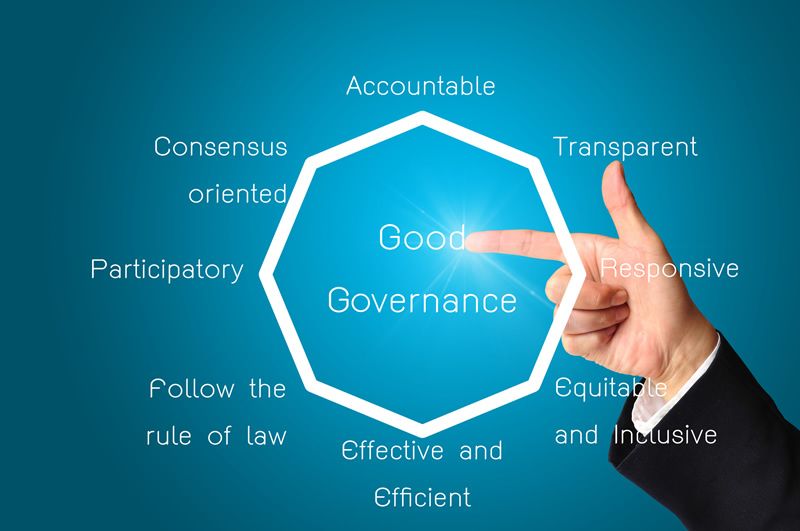
When Nigerians talk about good governance, the conversation often becomes political almost immediately. We debate parties, candidates, elections and promises. But there is a more important question that deserves greater attention: what does good governance actually look like in the everyday life of a Nigerian?
For millions of citizens, the answer should not be complicated.
Good governance should mean being able to find decent work, run a business without unnecessary obstacles, send children to good schools, access affordable healthcare, travel safely and trust that public institutions will do what they are supposed to do.
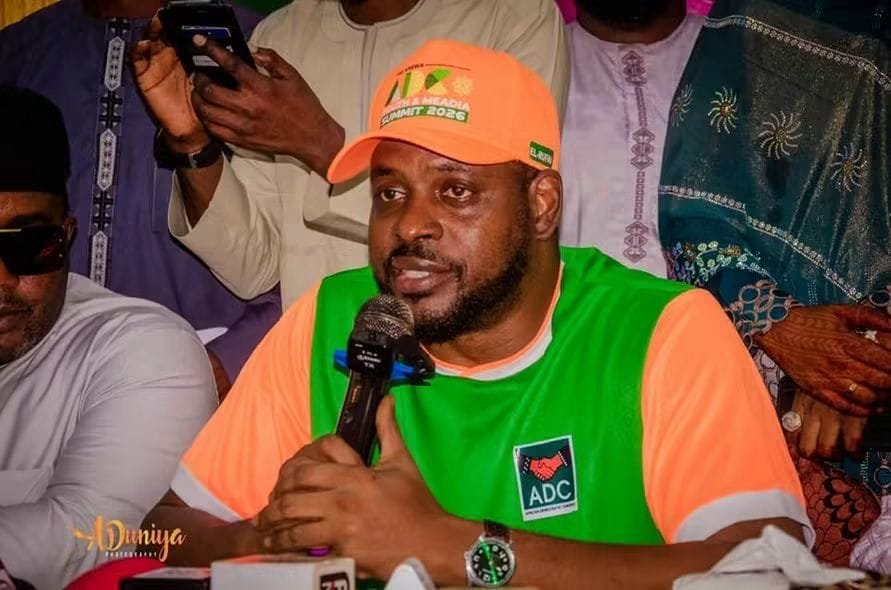
The African Democratic Congress (ADC) recently raised a similar question about the kind of Nigeria the present generation is preparing for those who come after it. The point is important because the success of a country should ultimately be measured not by the volume of political rhetoric, but by the quality of life it provides for its people.
Good Governance Must Be Felt, Not Just Announced
A government can publish policies, launch programmes and make ambitious speeches. But citizens experience government differently.
They experience it when electricity is available. They experience it when roads are usable, schools are functioning and hospitals have the capacity to care for patients. They experience it when businesses can plan for the future because government policies are predictable.
This is why good governance in Nigeria must be connected to measurable outcomes.
A strong government should be able to answer simple questions: How many jobs were created? Did learning improve? Did healthcare become more accessible? Did insecurity decline? Was public money spent effectively? Are government agencies serving citizens efficiently?
These questions shift the conversation from promises to performance.
Accountability Is a Requirement, Not a Political Weapon
No government should be afraid of legitimate public scrutiny.
Accountability means citizens have the right to ask how public resources are being used and whether those resources are producing results. It also means leaders should be prepared to explain decisions, acknowledge failures and correct policies that are not working.
This principle sits at the heart of ADC's stated commitment to transparency and accountability. The party describes transparency as “radical” and argues that leaders owe citizens a clear account of their stewardship.
That standard should apply across government, regardless of party affiliation.
Young Nigerians Must See a Future at Home
Good governance is also about the future.
Nigeria has a large and ambitious young population, yet many young people continue to confront unemployment, limited opportunities and uncertainty about their prospects. ADC's recent focus on youth participation correctly argues that young Nigerians should not simply be described as “leaders of tomorrow”; they must have a meaningful role in shaping decisions today.
A country that wants to retain its best talent must create reasons for young people to believe that their future can be built at home.
That means investing in education, supporting enterprise, rewarding innovation and creating institutions where ability matters more than connections.
The Nigeria We Want Must Be Built Deliberately
Ultimately, good governance in Nigeria is not about finding perfect leaders. It is about building systems that reward competence, protect public resources, encourage participation and make leaders answerable to the people.
The Nigeria of the next generation is being shaped by decisions made today. Every institution strengthened, every wasted resource prevented, every young person given an opportunity and every citizen treated with dignity contributes to that future.
The real test of leadership, therefore, is not simply whether a politician wins an election.
It is whether, years later, ordinary Nigerians can look around and say: our lives are better, our institutions are stronger, and our children have more opportunities than we did.
That is what good governance should look like. And that is the standard Nigeria should demand.
Leave a reply
Recent Post





Comments (0)