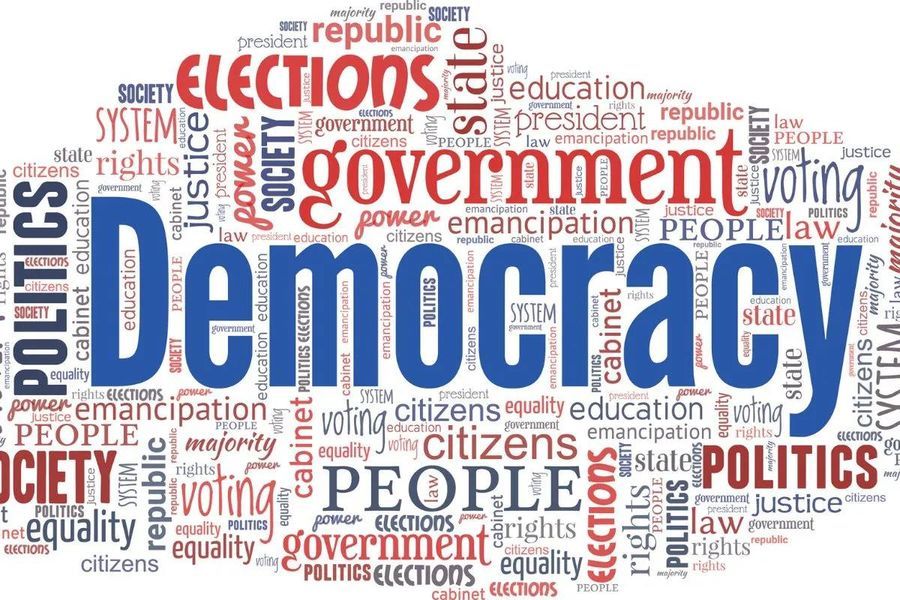
A democracy can survive political disagreement. It can survive fierce campaigns, unpopular governments and even electoral defeats. What it cannot survive for long is a public that no longer believes its vote can make a difference.
That is why trust is the real currency of democracy.
As Nigeria moves toward the 2027 general elections, the debate should not be limited to who will win, which alliances will emerge or which candidates will dominate the headlines. A more fundamental question deserves attention: Do Nigerians still believe that their votes matter?
Because when citizens trust the electoral process, they have a reason to participate. When they lose that trust, the consequences reach far beyond election day.
A Vote Is More Than a Piece of Paper
Voting is an act of political choice. It is how ordinary citizens decide who should represent them and what direction they want the country to take.
But that choice only has meaning when citizens believe the process is credible.
ADC has recently emphasised the importance of voter education, arguing that participation requires more than simply showing up at a polling unit. Citizens need to understand the electoral process, evaluate candidates based on competence and policies, and recognise the power of their participation.
That is an important distinction.
A citizen who votes because they believe their choice matters is participating in democracy. A citizen who votes while believing the outcome is already determined is merely going through the motions.
Trust Is Built Before Election Day
Public confidence in elections does not suddenly appear when the polls open. It is built over time.
It depends on whether political parties conduct credible internal processes. It depends on whether institutions are seen as impartial. It depends on whether citizens can access reliable information and whether competing political voices are allowed to present their ideas freely.
It also depends on what happens when allegations arise.
The larger lesson is simple: transparency builds confidence when people can see how information is generated, checked and communicated.
Technology Can Help, But Trust Requires More Than Technology
Digital tools can make election monitoring faster and more transparent, but technology alone cannot restore democratic confidence.
People need to trust the institutions using the technology.
They need confidence that electoral rules are applied consistently, that complaints are taken seriously and that political competition remains open. As ADC has argued, elections should be decided at the polls rather than through processes that limit genuine political choice.
That is why electoral integrity is about more than counting votes correctly. It is about creating an environment in which citizens believe the entire process is fair.
The Cost of Losing Trust
When people stop believing in elections, democratic participation becomes harder to sustain.
Some disengage. Others stop registering or voting. Some become vulnerable to political manipulation because they no longer believe formal institutions can deliver change. Cynicism replaces participation.
And once that happens, democracy becomes weaker even if elections continue to take place.
The danger is particularly serious for young Nigerians. A generation that is politically energetic but deeply distrustful of institutions may choose to engage only through social media, protest or informal channels while withdrawing from the systems through which long-term political change is made possible.
That is why voter education, credible elections and political accountability must go together.
Nigerians Deserve a Reason to Believe
Restoring trust in Nigerian democracy cannot be the responsibility of voters alone. Political parties must earn it. Electoral institutions must protect it. Public officials must respect it. And citizens must defend it.
The standard should be straightforward: Nigerians should be able to cast a vote knowing that it will be counted, that credible alternatives are available, and that the final result reflects the will of the electorate.
The 2027 election presents an opportunity to strengthen that confidence.
But that opportunity will not be measured simply by turnout figures or election-day logistics. It will be measured by whether Nigerians walk away believing that their voice genuinely mattered.
A democracy is strongest when citizens do not merely have the right to vote.
They believe their vote can change the future.
A democracy can survive political disagreement. It can survive fierce campaigns, unpopular governments and even electoral defeats. What it cannot survive for long is a public that no longer believes its vote can make a difference.
That is why trust is the real currency of democracy.
As Nigeria moves toward the 2027 general elections, the debate should not be limited to who will win, which alliances will emerge or which candidates will dominate the headlines. A more fundamental question deserves attention: Do Nigerians still believe that their votes matter?
Because when citizens trust the electoral process, they have a reason to participate. When they lose that trust, the consequences reach far beyond election day.
A Vote Is More Than a Piece of Paper
Voting is an act of political choice. It is how ordinary citizens decide who should represent them and what direction they want the country to take.
But that choice only has meaning when citizens believe the process is credible.
ADC has recently emphasised the importance of voter education, arguing that participation requires more than simply showing up at a polling unit. Citizens need to understand the electoral process, evaluate candidates based on competence and policies, and recognise the power of their participation.
That is an important distinction.
A citizen who votes because they believe their choice matters is participating in democracy. A citizen who votes while believing the outcome is already determined is merely going through the motions.
Trust Is Built Before Election Day
Public confidence in elections does not suddenly appear when the polls open. It is built over time.
It depends on whether political parties conduct credible internal processes. It depends on whether institutions are seen as impartial. It depends on whether citizens can access reliable information and whether competing political voices are allowed to present their ideas freely.
It also depends on what happens when allegations arise.
The larger lesson is simple: transparency builds confidence when people can see how information is generated, checked and communicated.
Technology Can Help, But Trust Requires More Than Technology
Digital tools can make election monitoring faster and more transparent, but technology alone cannot restore democratic confidence.
People need to trust the institutions using the technology.
They need confidence that electoral rules are applied consistently, that complaints are taken seriously and that political competition remains open. As ADC has argued, elections should be decided at the polls rather than through processes that limit genuine political choice.
That is why electoral integrity is about more than counting votes correctly. It is about creating an environment in which citizens believe the entire process is fair.
The Cost of Losing Trust
When people stop believing in elections, democratic participation becomes harder to sustain.
Some disengage. Others stop registering or voting. Some become vulnerable to political manipulation because they no longer believe formal institutions can deliver change. Cynicism replaces participation.
And once that happens, democracy becomes weaker even if elections continue to take place.
The danger is particularly serious for young Nigerians. A generation that is politically energetic but deeply distrustful of institutions may choose to engage only through social media, protest or informal channels while withdrawing from the systems through which long-term political change is made possible.
That is why voter education, credible elections and political accountability must go together.
Nigerians Deserve a Reason to Believe
Restoring trust in Nigerian democracy cannot be the responsibility of voters alone. Political parties must earn it. Electoral institutions must protect it. Public officials must respect it. And citizens must defend it.
The standard should be straightforward: Nigerians should be able to cast a vote knowing that it will be counted, that credible alternatives are available, and that the final result reflects the will of the electorate.
The 2027 election presents an opportunity to strengthen that confidence.
But that opportunity will not be measured simply by turnout figures or election-day logistics. It will be measured by whether Nigerians walk away believing that their voice genuinely mattered.
A democracy is strongest when citizens do not merely have the right to vote.
They believe their vote can change the future.
Leave a reply
Recent Post







Comments (0)