Every generation inherits a country it did not build and leaves behind a country it has helped shape.
That reality raises an important question for Nigerians today: What kind of Nigeria are we preparing for the next generation?
This question goes beyond elections, political parties and the individuals who occupy public office. It speaks to the institutions we build, the opportunities we create, the values we uphold and the standards we demand from those entrusted with power.
As Nigeria looks ahead to another important electoral cycle, we must ask what kind of country we want our leaders to build.
The Nigeria We Leave Behind
The success of a nation is ultimately measured by the quality of life it offers its people.
Can young Nigerians find meaningful employment? Can businesses grow? Can children receive quality education? Can families access affordable healthcare? Can citizens trust public institutions? Can people live and work without fear?
These are the issues that will define Nigeria's future.
The next generation will not judge us by the political arguments we won. It will judge us by the opportunities we created, the institutions we strengthened and the problems we were willing to confront.
Young Nigerians Must Be Part of the Future
For too long, Nigerian youths have been described as “leaders of tomorrow.”
Tomorrow has lasted long enough.
Young Nigerians are already driving innovation, building businesses, creating jobs and shaping public conversations. They should therefore have a meaningful role in shaping political decisions and determining the country's direction.
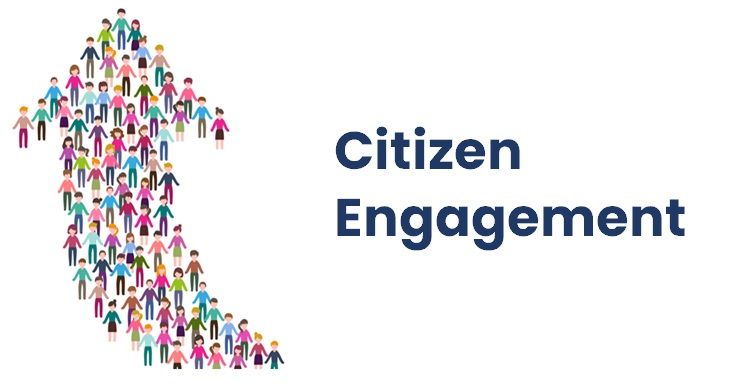
Participation in democracy must go beyond voting. Young Nigerians must be informed, organised and prepared to contribute to leadership at every level.
Leadership Must Be About Service
Nigeria needs leaders who understand that public office is a responsibility, not a personal reward.
Leadership should be measured by integrity, competence, accountability and results. Political power must be used to improve lives and strengthen institutions, not simply to acquire influence.
This also means citizens must become more demanding.
We should judge leaders by their ideas, policies and performance rather than personalities alone. We should ask difficult questions about public spending, governance and national development, regardless of political affiliation.
Accountability is not opposition to government. It is an essential part of responsible government.
Building for the Next Generation
The Nigeria of 2040 is being shaped by the decisions we make today.
Every investment in education matters. Every job created matters. Every institution strengthened matters. Every public resource protected from waste matters.
We cannot continue to make decisions solely for immediate political or personal interests while leaving future generations to manage the consequences.
Nigeria needs an economy that creates opportunity, institutions that command public trust and a democratic culture that rewards competence and service.
We must build a country where young people can see a future at home—a country where talent is encouraged, hard work is rewarded and citizens have confidence in the possibility of a better tomorrow.
The Responsibility Is Ours
The future of Nigeria does not belong to politicians alone.
Parents, teachers, business owners, civil society, young people and ordinary citizens all have a role to play.
The Nigeria we want will not appear by accident. It will be built through deliberate choices, responsible leadership and active citizenship.
As we look toward the next chapter of our democracy, the question should therefore be:
What kind of Nigeria will our leadership leave behind?
The answer depends on the choices we make today.
The future is already being built.
Let us make sure we are building a Nigeria worthy of the next generation.
Leave a reply
Recent Post





Comments (0)