In a democracy, political loyalty has its place. Parties need committed members, citizens need political convictions, and leaders need supporters who believe in their vision. But loyalty should never become a reason to excuse poor leadership, defend wrongdoing or ignore failures in government.
For Nigeria’s democracy to mature, political accountability must matter more than blind political loyalty.
Loyalty Should Not Silence Questions
Political accountability begins with a simple principle: elected and appointed officials are accountable to the people they serve.
The Code of Conduct Bureau, for example, describes its mandate in terms of maintaining high standards in government business and enforcing ethical standards for public officers. Its responsibilities include receiving and examining asset declarations and investigating alleged breaches of the Code of Conduct.
Citizens therefore have both a democratic interest and a legitimate responsibility to ask questions. How is public money being spent? Are government policies delivering the promised results? Are institutions working effectively? What happens when mistakes are made?
These questions should not be determined by party membership.
The Problem With Blind Loyalty
When political loyalty becomes more important than accountability, citizens can begin to defend decisions simply because they were made by politicians or parties they support.
This weakens democracy.
A supporter who refuses to question poor performance because “my party is in power” is ultimately putting party interests above public interest. The same standard should apply to every political party, including those in opposition.
Accountability is not an attack on government. It is one of the ways responsible government works.
Citizens Should Judge Performance
Political leaders should be judged by what they do, not only by what they say.
Promises made during campaigns should eventually be measured against outcomes. Policies should be assessed by whether they improve people's lives. Public officials should be prepared to explain decisions and account for the resources entrusted to them.
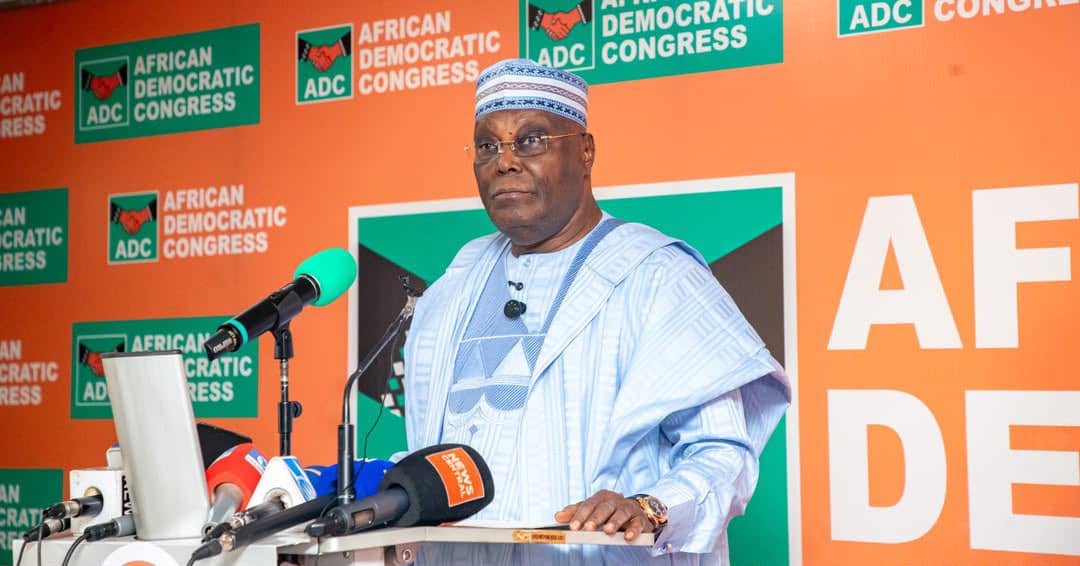
This is consistent with the principle that leaders owe citizens an account of their stewardship. The African Democratic Congress identifies transparency and accountability as core values and states that true leadership requires a clear account of stewardship to the people.
For citizens, this means looking beyond political personalities and asking practical questions: Is the economy improving? Are public services getting better? Are institutions becoming stronger? Is public money being used responsibly?
Accountability Must Be Consistent
One of the greatest dangers in political discourse is selective accountability—condemning misconduct when it involves an opponent while defending the same behaviour when committed by an ally.
A credible democratic culture cannot operate on such double standards.
The same principles should apply whether an official belongs to the governing party, an opposition party or any other political platform. Wrongdoing should be questioned regardless of who is responsible, while good policies should be acknowledged regardless of who introduced them.
That is how political debate becomes focused on ideas and results rather than personalities.
Building a Stronger Democratic Culture
Nigeria does not need less political engagement. It needs more informed and constructive engagement.
Political loyalty can help build political organisations, but accountability helps build better government. One protects a party; the other protects the public interest.
As Nigeria looks towards the future, citizens should be willing to support leaders whose ideas they believe in while still holding them to account. Democracy is strongest when loyalty never becomes a substitute for scrutiny, and when every leader understands that public office ultimately belongs to the people.
Leave a reply
Recent Post





Comments (0)